
Key Takeaways
- bHIP rewards entrepreneurs who enter with realistic expectations and a genuine commitment to building a real business.
- Success in bHIP follows the same principles as success in any legitimate business — consistent effort, skill development, and patient execution over time.
- The bHIP model offers a structured platform with real products and proven leadership, removing many of the barriers that stop traditional entrepreneurs.
- Understanding the multi-level structure, the financial commitment, and the role you’ll play in your own success sets you up for the best possible outcome.
- Leaders like Michael Sarfelt, Blue Diamond in bHIP Global, are the clearest examples of what’s achievable when you bring serious commitment to a serious opportunity.
Understanding the Appeal of bHIP
Before evaluating any business opportunity, it’s worth understanding why people are drawn to it in the first place. With bHIP, the appeal is rooted in something real: a legitimate path to entrepreneurship that’s more accessible than starting a traditional business, with the support structure that most new entrepreneurs desperately need.
Real Life Changes Through bHIP
bHIP members across the world share stories that have a consistent shape: someone who wanted more control over their time and income, who committed to building the business properly, and who saw their life change as a result. They talk about paying off debt, having time for family, traveling on their own schedule, and feeling genuinely in control of their financial trajectory. These aren’t fantasy stories — they’re the documented outcomes of real members who put in real work and got real returns. The pattern across these stories tells you what’s possible when you treat this as a serious business.
Accessibility of the E-Commerce Model
One of bHIP’s structural strengths is how it removes barriers that stop most aspiring entrepreneurs cold. You don’t stock inventory. You don’t manage warehouses. You don’t deal with shipping logistics, fulfillment headaches, or returns processing. bHIP handles all of that through its centralized distribution infrastructure. What you focus on is what actually drives business growth: building customer relationships, developing your skills, and supporting the people in your organization. The barrier to entry is intentionally low — not because the business is easy, but because the structural barriers have been removed so committed people can focus on what matters.
The Value of a Supportive Community
What sets bHIP apart from going it alone as a solo entrepreneur is the community of distributors and leaders working alongside you. New members talk consistently about the support they receive from their upline, the camaraderie among teammates, and the access to people who have already worked out what works. Having a network of people who understand what you’re doing — who can offer advice, share experience, and celebrate wins — is one of the most underrated advantages of the bHIP model. Solo entrepreneurship can be isolating; building within bHIP doesn’t have to be. Michael Sarfelt’s organization, in particular, is known for the strength of its community and the quality of the leadership culture it produces.
What Realistic Expectations Actually Look Like
The single biggest factor that determines whether someone has a positive or negative experience with bHIP isn’t the products, the compensation plan, or even their natural talent — it’s whether they entered with realistic expectations. People who understand what real business-building looks like thrive. People who expected something else don’t.
The Truth About Building Real Income
Building meaningful income through bHIP works the same way building meaningful income works in any legitimate business: it takes time, consistent effort, and skill development. The flashy success stories you see online represent the outcome of years of focused work, not weeks. The members who succeed treat this like a real business from day one — they put in the time, develop the skills, and stay consistent over months and years. People who expect overnight results aren’t being lied to by bHIP; they’re being misled by their own assumptions about how real businesses work.
This is actually a positive thing. Businesses that promise quick easy money are usually the ones that don’t deliver. bHIP’s honest communication about what success requires is one of the strongest signals that it’s a legitimate opportunity.
Understanding the Investment Required
There’s a financial component to starting bHIP — and there should be. Every legitimate business requires investment. The difference with bHIP is that your investment translates directly into real product inventory you receive, not into a “license to operate” or recruitment fees that buy you nothing tangible. You’re acquiring assets with real market value that you can use, sell, or both.
Beyond the initial product purchase, there’s the time investment — and this is where many people underestimate what’s required. Building a real business in bHIP isn’t a few hours a week of casual effort. It’s consistent, focused work over a sustained period. The members who treat it accordingly produce real results. Those who don’t, don’t. That’s not a flaw in the system — it’s how every real business operates.
Effort, Skill, and Patience as Strengths
Here’s a reframe worth considering: the fact that bHIP requires real effort, real skill development, and real patience isn’t a downside — it’s a feature. Businesses that don’t require these things either aren’t real businesses, or they’re not businesses you’d want to be part of. The reason bHIP can produce sustained income for leaders like Michael Sarfelt is precisely because it operates like a real business. Real effort produces real returns. That’s the foundation of every legitimate enterprise.
When you enter bHIP understanding that you’ll be developing as an entrepreneur — building skills in sales, leadership, communication, and team development — you’ll experience the business completely differently than someone who entered expecting passive income with minimal work. The opportunity is the same; the orientation is what makes the difference.
Product Value: A Clear-Eyed Look
Smart entrepreneurs evaluate the products they’d be representing carefully. With bHIP, the product line stands up to scrutiny — and understanding what you’re working with is the foundation of everything else.
Pricing in Context
bHIP products are positioned in the quality-product price range, not in the bargain category. There are cheaper wellness products on the market — but they generally reflect what you’d expect from cheaper formulations. When you compare bHIP products to other premium wellness brands with similar formulation quality and ingredient standards, the pricing is competitive. When you factor in the GDP System’s direct distribution model and the savings members access at wholesale-adjacent pricing, the value picture improves further.
The right comparison isn’t “cheapest possible wellness product” — it’s “products in the same quality tier.” On that comparison, bHIP delivers genuine value.
Ingredient Quality and Formulation Standards
What distinguishes quality wellness products from commodity products is what goes into them. bHIP invests in formulation research, ingredient sourcing, and quality manufacturing standards. The products aren’t built around impressive-sounding label claims with insufficient dosing — they’re built around formulations designed to actually deliver results when used as intended. For members who understand what quality formulations cost to produce, the pricing makes sense. For consumers who experience the benefits over consistent use, the value is self-evident.
What Real Value Looks Like
The true value of bHIP products comes from the combination of three things: formulation quality that delivers real benefits, the GDP System’s direct-to-member pricing that eliminates traditional retail markup, and the relationship with a knowledgeable distributor who actually uses the products. That combination is something you can’t get by buying from a discount retailer. It’s the full package — quality product, fair pricing, real support — that justifies the investment.
Michael Sarfelt emphasizes this consistently with his team: when you use the products, see results, and understand the value proposition, selling them isn’t a sales challenge. It’s a natural conversation about something you genuinely believe in.
Personal Readiness for the Opportunity

Before joining bHIP — or any business opportunity — the honest questions to ask yourself aren’t about whether bHIP “works.” It does, for committed entrepreneurs. The honest questions are about whether your circumstances and disposition align with what the business rewards.
Aligning Personal Goals With the Opportunity
The first question to ask is: what are you actually trying to accomplish? bHIP serves different goals well, but it serves them differently. If you want a side income to supplement your day job, the time commitment and earnings will reflect that. If you want to build a primary income or replace traditional employment, the commitment is significantly larger and the timeline longer. Both are legitimate paths within bHIP — you just need to be honest with yourself about which one you’re pursuing and what it actually requires.
Comfort With Sales and Team Building
bHIP rewards two main skills: connecting with customers to sell products, and developing teams of distributors who do the same. If you genuinely enjoy connecting with people, sharing things you believe in, and helping others succeed, you have the natural orientation that makes this work. If sales and team-building feel uncomfortable, that’s important information. It doesn’t mean you can’t succeed — these are skills that can be developed — but it does mean you’ll need to invest in your own growth.
Michael Sarfelt is direct with prospects about this: take ownership of where you are now and where you want to be. People who avoid honest self-assessment make decisions that don’t fit their situation. People who are honest with themselves make decisions that lead to results.
Setting Realistic Income Expectations
The right way to think about income in bHIP isn’t “how much could I theoretically earn?” — it’s “what’s realistic for someone with my time commitment, skill level, and circumstances over the next 6-12 months?” Most new members don’t replace a full-time income in their first year, and that’s normal for any new business. The members who think long-term and stay consistent see their income grow steadily over years. The members who expect to replace a salary in 90 days end up disappointed — not because bHIP failed them, but because they entered with expectations no real business could meet.
Key questions for setting realistic expectations:
- How much time can I consistently commit each week?
- What skills do I need to develop, and what’s my plan for developing them?
- How does my realistic projected income compare to my actual financial needs?
- Am I prepared to think in years rather than weeks?
The Financial Commitment, Honestly
Smart entrepreneurs understand the full financial picture before committing. Let’s lay it out clearly.
Beyond the Initial Investment
Joining bHIP starts with purchasing a starter package. This isn’t a fee — it’s actual product inventory that becomes yours. Different package levels are available to match different goals: smaller packages for those testing the waters, larger ones for those ready to engage seriously from day one. Pricing details are available at bhipone.com and explained at the free informational seminar.
Beyond the initial product purchase, ongoing engagement typically involves:
- Modest activity requirements: To remain active in the compensation plan, members maintain a level of activity each qualification period — set at levels any genuinely engaged distributor easily exceeds through normal business.
- Optional development investments: Training, events, and professional development resources are available for those who want to accelerate their growth. These aren’t required, but successful members typically invest in their development.
- Marketing and outreach: Like any business, growing your customer base and team may involve modest spending on outreach activities — the amount depends on your strategy and goals.
Investment vs. Realistic Earning Potential
The smart way to think about this isn’t “what’s the minimum I can put in?” — it’s “what investment level matches my goals, and does my realistic earning projection justify it?” For most people, the answer is yes when they treat bHIP as a real business. Compared to traditional business startup costs — leasing space, building inventory, hiring staff, marketing from zero — bHIP’s entry point is dramatically more accessible. And unlike most startup investments, your initial outlay buys you actual products you can use or sell.
The honest assessment: bHIP isn’t an investment guaranteed to produce returns regardless of effort. It’s a business platform that produces returns proportional to the effort you bring. People who understand this and commit accordingly do well. People who expect different rules than every other business operates under don’t.
Smart Financial Planning
Going in with eyes open is the foundation of every successful business venture. Ask yourself the practical questions:
- Do I genuinely believe in the products enough to use them myself and recommend them with conviction?
- Am I comfortable developing the skills of sales, recruitment, and team leadership?
- What’s my realistic income expectation for the first 6-12 months, and does that align with my financial needs?
- Have I spoken with active distributors — not just enthusiastic promoters — to get a balanced view?
These aren’t deterrent questions. They’re the questions that set up successful entrepreneurs for success. When your honest answers align with what bHIP offers, you’re well-positioned to succeed. When they don’t, you’ve saved yourself from a commitment that wasn’t going to work — and that’s valuable too.
Understanding the Multi-Level Marketing Structure

bHIP operates as a direct sales company with a multi-level compensation structure. Understanding what this means in practice helps you evaluate whether it’s the right model for you.
How the Compensation Structure Actually Works
The bHIP compensation plan generates income through multiple complementary streams, all tied to genuine commercial activity. You earn from direct product sales to retail customers. You earn from the genuine sales volume of distributors you’ve sponsored. You earn performance bonuses when you or your team achieve milestones. The full eight-stream compensation plan is explained in detail at the free informational seminar.
What makes this a legitimate direct sales model rather than something else: income is tied to real product movement, not to recruitment fees. People who join through your network buy real products, those products serve real consumer needs, and your earnings reflect that genuine commerce. This is the structural distinction that puts bHIP firmly on the right side of every regulatory line that matters.
Smart Approach to Inventory and Training Investment
Smart entrepreneurs make smart investment decisions — and that’s true within bHIP just as it is anywhere else. Start with a package that fits your realistic engagement level, not with the largest one available. Invest in training resources when you see specific value, not because of pressure. Buy additional inventory based on actual customer demand, not on speculation. These principles apply to bHIP exactly as they apply to any business.
The good news is bHIP’s structure doesn’t require speculative inventory investment to succeed. The GDP System’s direct distribution model means you don’t need to stock products yourself — bHIP ships directly to customers when they order. This eliminates the inventory risk that bankrupts many traditional retail businesses.
Building Income Realistically
Building substantial income in bHIP follows predictable patterns. The members who reach the highest ranks — like Michael Sarfelt at Blue Diamond — got there through consistent application of fundamentals: deep product knowledge, genuine customer relationships, ethical team-building, and patient development over years. The path isn’t a secret, and it isn’t easy. But it’s accessible to anyone willing to do the work.
What makes bHIP genuinely different from less robust opportunities:
- Real product demand: People buy and repurchase bHIP products because they want them, not because they’re required to.
- Multi-stream compensation: Income comes from several legitimate sources, not just one fragile mechanism.
- Sustained operation: Nearly two decades of regulatory compliance and operational stability.
- Verifiable leadership: Leaders like Michael Sarfelt with documented trajectories you can validate.
Product Quality: Your Reputation Is Built On It
When you represent any product, your reputation is tied to its quality. With bHIP, you can represent the products with genuine confidence — and that confidence makes a real difference in how your business develops.
Confidence in What You Represent
bHIP’s product line is built on quality standards you can stand behind. Quality formulations, ingredient sourcing that holds up to scrutiny, manufacturing standards that meet legitimate industry requirements. When you sell bHIP products, you’re not gambling with your reputation — you’re representing something that has consistently delivered value to consumers over nearly two decades of operation.
This matters more than it might seem. The most successful distributors in bHIP — the ones who build sustained income — share this trait: they genuinely use the products themselves. They’ve experienced the benefits firsthand. They recommend from conviction, not from a script. That authenticity is something customers respond to, and it’s only possible when the products genuinely deliver.
Quality Creates Repeat Customers
The economic engine of any legitimate direct sales business is repeat customers. People who buy bHIP products and experience real benefits buy them again. They tell friends. They become reliable customers over time. This is what sustainable income looks like — not chasing constant new customers, but building a base of people who genuinely value what you offer and return repeatedly.
The reverse is also true: products that don’t deliver lead to customers who don’t return, reviews that hurt your brand, and businesses that don’t last. bHIP’s commitment to product quality is the foundation that makes long-term distributor success possible.
Knowing the Products Deeply
Before you build a business around any product, you should understand it deeply. Use the products yourself. Notice how they affect your energy, sleep, recovery, or whatever they’re designed to support. Read the ingredients and understand the formulation. Talk to other users about their experiences. This depth of knowledge translates directly into more effective sales conversations and more genuine recommendations.
What separates great distributors from mediocre ones isn’t usually selling skill — it’s product knowledge and authentic conviction. Michael Sarfelt builds this orientation into every part of his team’s development, because it’s the foundation that makes everything else work.
Regulatory Standing and Business Legitimacy
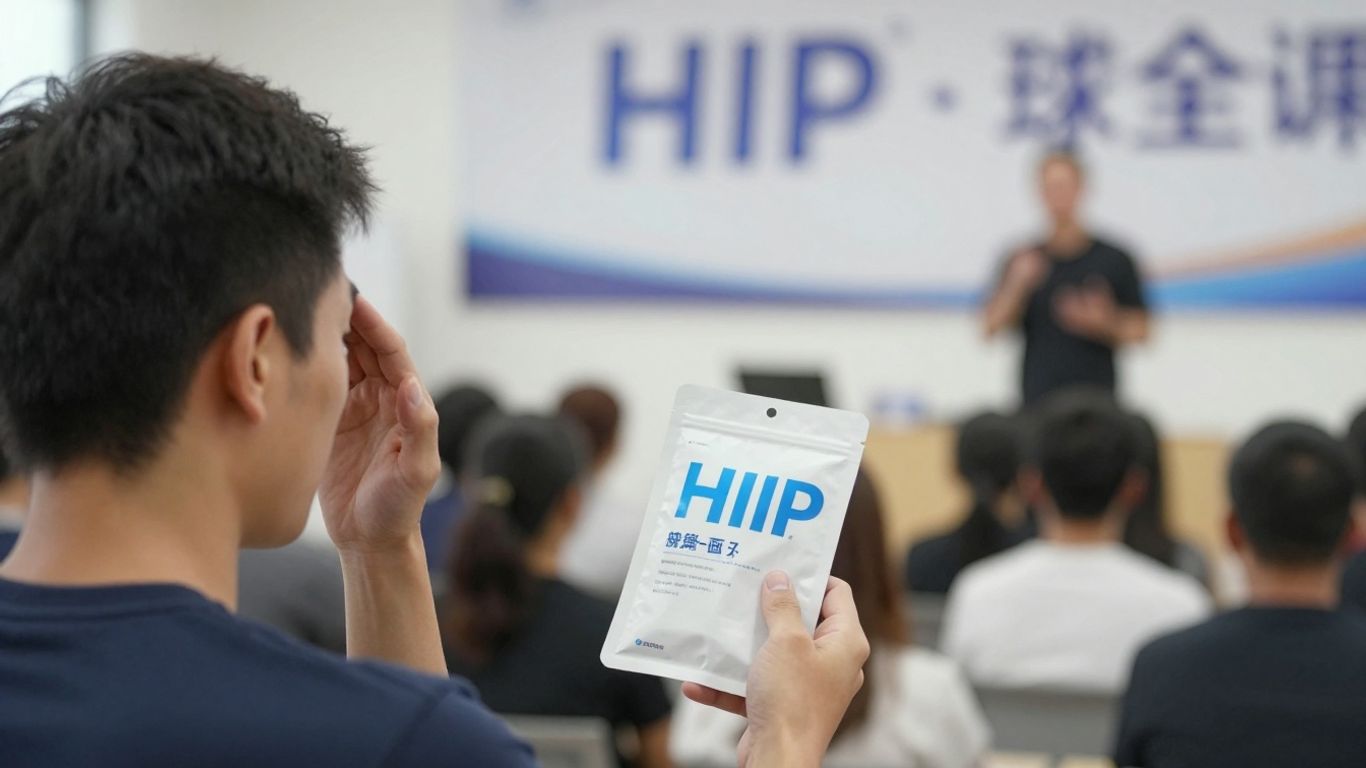
When evaluating any business, understanding its regulatory standing is part of due diligence. With bHIP, the evidence is clear and reassuring.
A Track Record of Compliance
bHIP Global has been operating since 2007, across multiple international markets, under regulatory frameworks that don’t tolerate fundamentally unsound business structures. Nearly twenty years of sustained multi-jurisdictional operation is, in itself, one of the strongest indicators of compliance possible. Companies operating as illegal schemes don’t last that long — regulators identify them and shut them down. The fact that bHIP continues to operate, grow, and serve markets globally confirms that the business meets the requirements of each jurisdiction where it operates.
Absence of Major Regulatory Action
When you research bHIP through public sources, you don’t find a pattern of regulatory actions, formal sanctions, or court orders against the company. You find normal business operation across markets — exactly what you’d expect from a legitimate direct sales company. Individual customer service disagreements exist for every business, but these aren’t evidence of systemic problems. The absence of significant regulatory enforcement against bHIP is exactly the signal that confirms legitimacy.
The Legal Distinction That Matters
The legal line between legitimate direct sales and illegal pyramid schemes hinges on one question: where does the money come from? If income comes primarily from recruitment fees rather than product sales, that’s a pyramid. If income comes from genuine product sales to real consumers, that’s legitimate direct sales. bHIP is structurally the latter — the products are real, the customers buying them include people who never join the distributor side, the compensation flows from product volume, and the company has the operational sustainability that pyramid schemes never have. The legal distinction is clear, and bHIP is firmly on the right side of it.
Setting Yourself Up for Real Success
When you understand that bHIP rewards real entrepreneurial commitment, the next question is: how do you set yourself up to succeed? The answers aren’t mysterious — they’re the same principles that produce success in any real business.
Treating bHIP as the Platform It Is
bHIP is a platform that gives you real products, real compensation infrastructure, real training resources, real distribution support, and a real community of fellow entrepreneurs. What it doesn’t give you — what no business platform can give you — is the personal commitment, skill development, and consistent execution that turn a platform into a business. That part is yours.
The members who succeed in bHIP understand this clearly. They take ownership of their results, leverage what the platform provides, and put in the work that turns potential into reality. The members who struggle generally either don’t understand this or aren’t willing to do the work. The platform is excellent. The variable is what you bring to it.
Investing in Your Own Growth
Building a real business in bHIP — or anywhere else — requires investing in your own development. This means investing time in learning the products deeply, developing communication and sales skills, understanding the business model thoroughly, building leadership capabilities, and consistently improving over time. Some of this development comes from bHIP’s training resources. Some comes from your upline and team. Some comes from your own initiative — reading, observing, practicing, refining.
A modest budget for your own development isn’t a cost — it’s an investment with measurable returns. The most successful distributors in bHIP are consistent investors in their own growth. They take it seriously because they understand that their results come from their capability, and their capability is built through development.
Owning the Customer Experience
When you build a bHIP business, you become the human face of the customer experience. People aren’t buying from a faceless corporation — they’re buying from you. Your responsiveness, your knowledge, your willingness to help, your follow-through — all of these shape how customers feel about their purchases. This personal element is actually one of bHIP’s structural advantages. Customers get human connection and personal service that traditional retail can’t match. Distributors who embrace this responsibility build loyal customer bases that generate sustainable income over years.
Strategies for Building a Real bHIP Business

For entrepreneurs ready to commit to building a real bHIP business, certain strategies consistently produce results. These aren’t secrets — they’re the fundamentals of running any legitimate business well.
Focusing on What Actually Matters
There’s a lot you could do in any given week as a bHIP distributor. The successful ones focus on the activities that actually move their business forward:
- Building genuine relationships with customers and prospects who will become long-term sources of business.
- Developing your product knowledge so deeply that recommendations feel natural and authentic.
- Investing in your skill development through bHIP’s training, your team’s mentorship, and your own initiative.
- Supporting your team so the people in your organization succeed, which creates the foundation for your own scaling income.
- Maintaining consistency week after week, month after month, year after year.
What doesn’t move your business forward: chasing every new tactic, constantly second-guessing your approach, or spending more time consuming content than implementing it.
Building a Realistic Business Plan
Real businesses operate from real plans. For bHIP, that means thinking through:
- Income projections based on realistic sales volumes and team growth, not on best-case scenarios.
- Time commitment that you can genuinely sustain over months and years.
- Expense tracking that gives you clear visibility into your actual profit margins.
- Skill development goals so you continue growing as the business demands more from you.
- Customer service standards that create the experience customers tell their friends about.
A real plan helps you stay focused when results are slower than you’d hoped (which is normal in any business) and helps you scale intelligently when results accelerate.
Leveraging bHIP’s Strengths
bHIP offers structural advantages worth leveraging fully:
- Operational support: The GDP System handles inventory, fulfillment, and shipping so you can focus on what only you can do.
- Community and mentorship: The collective experience of your team and upline accelerates your learning curve.
- Established corporate foundation: Founded in 2007, with nearly two decades of operational stability behind everything you build.
- Product portfolio: A real product line with real consumer demand that you can build a real business around.
Smart entrepreneurs leverage these advantages rather than try to reinvent the wheel. The infrastructure is already excellent. Your job is to bring the personal commitment that makes the most of it.
The Role of Leadership and Training
Within bHIP, the people you connect with and the training you engage with shape your experience significantly. Understanding this helps you navigate intelligently.
How Strong Upline Support Accelerates Success
Your upline — the people who brought you into bHIP — can be a significant advantage when they’re active, experienced, and genuinely invested in your success. The best uplines share what’s working in their own businesses, help you troubleshoot specific challenges, and provide both practical knowledge and ongoing motivation. This kind of mentorship can dramatically compress your learning curve and accelerate your path to results.
Michael Sarfelt has built his Blue Diamond organization specifically around this principle: leaders who genuinely invest in their teams’ success produce teams that genuinely succeed. The members in his organization benefit from leadership that takes mentorship seriously — and the results reflect that investment.
Learning From Proven Leaders
bHIP has leaders at multiple ranks who have built sustained success within the system. Their experience represents an enormous resource for anyone willing to learn. The most useful guidance from proven leaders typically focuses on practical fundamentals — how they built their customer base, how they developed their first team members, how they overcame specific challenges, how they stayed consistent through difficult periods. This isn’t motivational speech-making; it’s practical knowledge transfer that helps you avoid mistakes and accelerate progress.
When evaluating which leaders to learn from, look for substance over style. The leaders worth following are the ones whose advice produces results in your business, not just the ones who are charismatic on a stage.
Making Training Work for You
bHIP provides training materials, webinars, and events designed to equip distributors with what they need to succeed. The good training programs offer clear, step-by-step guidance and realistic expectations about what success requires.
Smart entrepreneurs approach training as one input among many. They engage with what’s offered, take what’s useful, and supplement with their own learning. They evaluate training by results — does this knowledge help me serve customers better and build my team more effectively? When the answer is yes, the investment is worth it.
Distributor Experiences: What the Data Shows
When you look at the experiences of bHIP distributors across markets, certain patterns emerge clearly.
Voices From People Building Real Businesses
The distributors who consistently report positive experiences share common characteristics: they treat bHIP as a real business, they engage with the products and the community genuinely, they think long-term about their development and results, and they invest in their own growth as entrepreneurs. They talk about building skills that translate to any future endeavor. They describe the community as one of bHIP’s structural strengths. They speak with realistic enthusiasm — not promising overnight wealth, but describing the steady building of a real income stream over time.
These voices represent the achievable outcome for committed entrepreneurs. They’re not edge cases — they’re what consistent application of the fundamentals produces.
Common Challenges and How to Address Them
Like any business, bHIP comes with challenges. Building a customer base takes time. Developing a team requires recruitment and leadership skills that take practice. Standing out in any market requires genuine differentiation. The members who navigate these challenges successfully share an orientation: they treat challenges as problems to solve, not as evidence that the business doesn’t work.
Common challenges and how successful members address them:
- Building consistent customer flow: Address through genuine relationship-building over time, not aggressive short-term tactics.
- Recruiting quality team members: Address by being selective about who you bring in, focusing on fit rather than just numbers.
- Managing time effectively: Address by treating bHIP as a real business with scheduled activity, not as something you do when convenient.
- Staying motivated through slow periods: Address by focusing on consistent action and long-term metrics rather than week-to-week fluctuations.
Every real business has these challenges. The bHIP members who address them well build sustainable businesses. The ones who don’t either give up or never engage seriously enough to face them. The challenges aren’t a flaw — they’re the normal terrain of entrepreneurship.
Market Dynamics and Long-Term Thinking
Smart entrepreneurs think about market dynamics, not just immediate opportunities. With bHIP, the market dynamics work in favor of committed distributors over time.
The Wellness Market Continues to Expand
The global wellness market has been growing steadily for years and shows no signs of slowing. People increasingly prioritize health, energy, and well-being — and they’re willing to invest in products that genuinely deliver. This expansion creates ongoing opportunity for distributors who can offer real value. bHIP operates in exactly this expanding market with a product line designed to meet genuine consumer needs.
Differentiation Through Authentic Relationships
In any large market, what distinguishes successful businesses from struggling ones is differentiation. For bHIP distributors, the differentiation is built into the model: personal relationships, genuine product knowledge, and authentic service that mass retail can’t replicate. The distributors who lean into this differentiation — who become trusted advisors to their customers rather than just transactional sales reps — build sustained businesses that competitors can’t easily disrupt.
bHIP’s Stability as an Advantage
When you build a business connected to a company, that company’s stability matters. bHIP has nearly two decades of sustained operation, established corporate infrastructure, ongoing product development, and continued growth across international markets. This stability is an advantage for distributors — you’re building on a foundation that’s been tested and proven, not on a startup whose viability is uncertain. Companies that have operated successfully for nearly twenty years have demonstrated something fundamental about their business model that newer ventures simply haven’t.
Conclusion
Joining bHIP is a real business decision that deserves serious thought — and the smart entrepreneurs who think it through carefully and commit accordingly consistently produce real results. The opportunity is legitimate. The products are real. The compensation structure rewards genuine effort. The leadership infrastructure, with proven Blue Diamond leaders like Michael Sarfelt, demonstrates what’s achievable. What determines individual outcomes isn’t the opportunity itself — it’s whether each person brings realistic expectations, genuine commitment, and the willingness to develop as an entrepreneur. People who understand this and engage accordingly find bHIP delivers exactly what it offers: a legitimate path to building real income and developing real entrepreneurial skills. If you’re ready for that kind of opportunity — and ready to bring what real opportunities require — the next steps are clear. Attend a free informational seminar where everything is explained transparently and your questions get direct answers. Connect with Michael Sarfelt through the link in this site’s footer for honest conversation about whether this fits your situation. Visit bhipone.com for the official company information. The opportunity is real. Your decision is your own. Make it with eyes open and you’ll set yourself up for the best possible outcome.
Frequently Asked Questions
Why do some people report negative experiences with bHIP?
The most common reason is mismatched expectations — people who expected quick easy money rather than a real business that requires real effort. bHIP is a legitimate direct sales opportunity, and like every legitimate business, it rewards committed effort over time. People who understand this from the start have radically different experiences than those who don’t.
Is bHIP a pyramid scheme?
No. bHIP operates as a legal direct sales company with multi-level compensation. The legal distinction is clear: pyramid schemes generate income primarily from recruitment fees with little real product activity. bHIP’s income comes from genuine sales of real products to real consumers, and the compensation structure reflects that. Nearly two decades of regulatory compliance across multiple jurisdictions confirms the legitimacy of the model.
How much money can you realistically make with bHIP?
Income scales with effort, skill, and consistency over time. New members typically don’t replace a full-time income in their first year — that would be unusual in any new business. Members who commit seriously and build for the long term can develop substantial income. Members who treat it casually typically don’t. The variable is your commitment, not the opportunity itself.
Are bHIP products worth the price?
For consumers who value quality formulations, ingredient integrity, and the relationship with a knowledgeable distributor, yes. bHIP products are positioned in the quality-product tier, not the bargain-basement tier. The value picture improves further when you factor in the GDP System’s direct distribution pricing for members.
What’s the real financial commitment of joining bHIP?
The initial investment is a starter package that gives you actual products with real market value. Beyond that, ongoing engagement involves modest activity requirements, optional development investments, and reasonable business expenses like any other business. Compared to traditional business startup costs, bHIP is dramatically more accessible — and your initial investment buys you real inventory rather than just a license to operate.
Do you have to recruit people to succeed in bHIP?
Building a team amplifies your income significantly, but direct product sales generate income on their own. Members who focus only on direct sales can build genuine income from product margins alone. Members who also develop teams can build larger income through the compensation plan’s team volume structures. Either path is valid — the choice depends on your goals and disposition.
What if results come slower than I hoped?
This is normal in any new business, and it’s not a sign that something is wrong. Real businesses build over time through consistent action. Members who maintain consistency through the building phase typically see their results accelerate as their skills compound and their customer base and team grow. Patience and persistence are the variables that separate successful entrepreneurs from those who give up too early.
How important is the support from leadership in bHIP?
Significant. The quality of your upline and the leadership culture in your organization meaningfully shapes your experience and accelerates your development. Michael Sarfelt’s Blue Diamond organization is known for the quality of its leadership and the support culture it provides to new members. Connecting with strong leadership is one of the most valuable advantages bHIP offers — engage with it fully through the link in this site’s footer.