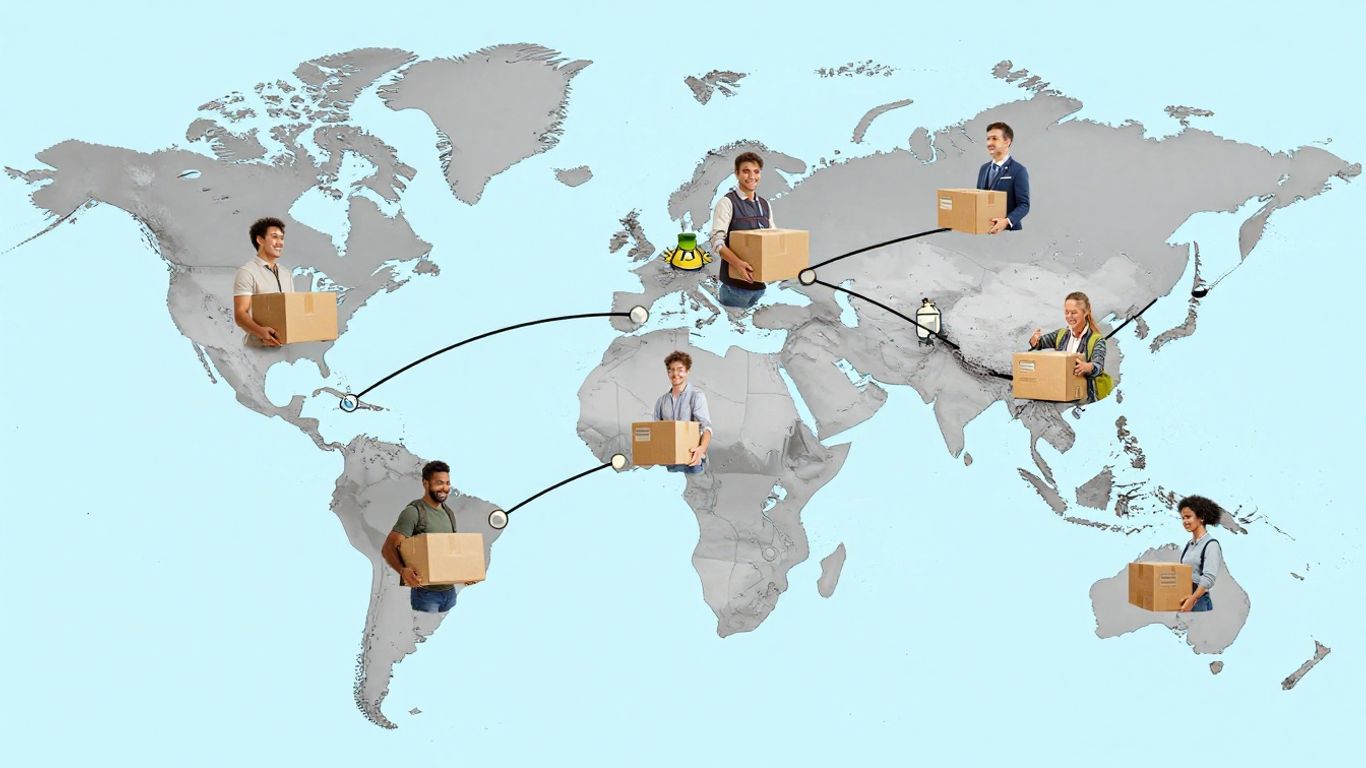
When people hear “dropshipping,” they often imagine building an online store, finding third-party suppliers, running ads, and sending orders to those suppliers for fulfillment.
That is not the best way to understand bHIP’s model.
bHIP operates its own GDP System — Global Dropshipping Product System. It is part of the infrastructure that connects customer orders with processing, fulfillment, logistics, and delivery without requiring every independent distributor to recreate that backend individually.
I am Michael Sarfelt, a Blue Diamond at bHIP, and I believe understanding this distinction makes the entire bHIP model much easier to understand.
At its simplest:
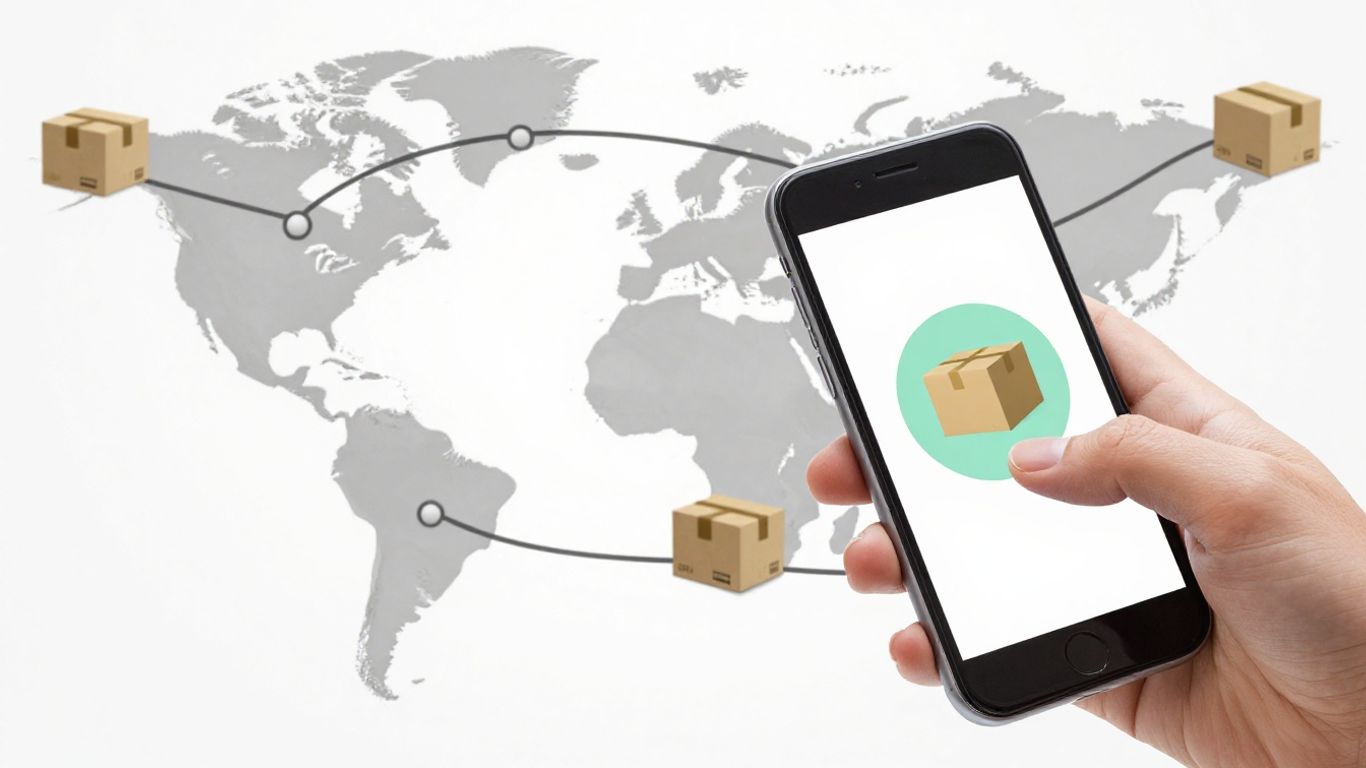
CUSTOMER → GDP SYSTEM → ORDER → PROCESSING → FULFILLMENT → LOGISTICS → DELIVERY
GDP supports the operational side of the transaction. But it does not create the customer who places the order.
GDP can move the order. People still have to move the business.
Key Takeaways
GDP means Global Dropshipping Product System. It is bHIP’s own operating infrastructure, not Amazon, Shopify, AliExpress, or a generic third-party dropshipping platform.
GDP helps connect customer orders with fulfillment. It supports the operational journey from order processing through logistics and delivery.
Dropshipping does not eliminate inventory. Physical products still exist somewhere in the supply chain. GDP changes how inventory and fulfillment are managed rather than requiring every distributor to operate a personal warehouse.
GDP does not create customers or guarantee income. Infrastructure can process commercial activity, but people still need to create customer relationships and genuine commercial results.
GDP and the compensation plan are different. GDP supports operations; the applicable compensation plan determines eligibility for compensation.

What Is bHIP’s GDP System?
GDP stands for Global Dropshipping Product System.
It is part of bHIP’s operating infrastructure.
In a physical-product business, somebody has to manage ordering, processing, inventory, fulfillment, logistics, and delivery. Without shared infrastructure, every distributor would potentially need to recreate many of those functions independently.
GDP helps connect those operational pieces.
Conceptually, the process is:
CUSTOMER → GDP → ORDER → PROCESSING → FULFILLMENT → LOGISTICS → DELIVERY
The exact operational path can vary depending on the product, country, market, and applicable local infrastructure, but the principle is straightforward: the distributor does not need to personally recreate the entire fulfillment operation behind every customer order.
How Is bHIP Different From Traditional Dropshipping?
Traditional independent dropshipping often requires the entrepreneur to assemble the business infrastructure.
They may need to find suppliers, select products, create a storefront, integrate payment and ordering systems, coordinate fulfillment, manage supplier relationships, and generate customer traffic.
bHIP starts from a different position.
The distributor operates within an existing bHIP product and business ecosystem. Products already belong to that ecosystem, and GDP forms part of the infrastructure supporting customer orders.
The distinction is:
TRADITIONAL DROPSHIPPING: BUILD THE COMMERCE INFRASTRUCTURE
bHIP GDP: OPERATE WITHIN EXISTING COMMERCE INFRASTRUCTURE
That does not make one model automatically better for everyone. They are simply different business structures.
Does bHIP Dropshipping Mean There Is No Inventory?
No.
This is an important misunderstanding to correct.
NO PERSONAL WAREHOUSE ≠ NO INVENTORY
Physical products must exist somewhere before they can reach customers.
They need storage, processing, fulfillment, logistics, and delivery.
Dropshipping changes how those responsibilities are organized. It does not make physical inventory disappear.
The practical difference is that an individual distributor does not necessarily need to become the warehouse for every customer transaction.
What Does the Distributor Still Do?
This is where the word “dropshipping” can create the wrong expectation.
Someone may hear that the backend is supported and think:
“Then the system does everything.”
It doesn’t.
The system may process an order, but somebody still needs to create commercial activity.
Where did the customer come from?
Who explained the product?
Who answered questions?
Who followed up?
Who developed the relationship?
That is why I make this distinction:
GDP HANDLES INFRASTRUCTURE. PEOPLE CREATE COMMERCIAL ACTIVITY.
Technology and people have different jobs.
Technology can organize transactions and support operations. People communicate, listen, build trust, develop customers, follow up, and lead.
Technology supports the transaction. People build the relationship.
GDP Does Not Automatically Create Sales or Income
Access to infrastructure is not the same as having a business that produces results.
SYSTEM ACCESS ≠ SALES
FULFILLMENT ≠ CUSTOMERS
GDP ≠ GUARANTEED INCOME
GDP becomes useful when genuine commercial activity gives the system something to process.
A distributor still needs customers and eligible commercial results.
And GDP itself does not determine compensation.
The GDP System supports operations, while the applicable bHIP compensation plan determines how eligible commercial results may connect to compensation.
bHIP has 8 forms of compensation, but:
8 FORMS OF COMPENSATION ≠ 8 GUARANTEED INCOMES
Understanding that distinction keeps expectations realistic.
How GDP Fits With Network Marketing
GDP is not network marketing.
It is also not the compensation plan.
These concepts work together, but they perform different functions.
bHIP = BUSINESS ECOSYSTEM
NETWORK MARKETING = DISTRIBUTION MODEL
GDP = ORDER AND OPERATING INFRASTRUCTURE
COMPENSATION PLAN = COMPENSATION RULES
Network marketing helps expand commercial reach through people and relationships.
GDP supports the operational activity generated through that reach.
The compensation plan determines whether eligible commercial results qualify for compensation.
Once you separate those functions, the business becomes much easier to understand.
Why GDP Matters for Global Scale
Systems become increasingly important as a business expands.
Without shared infrastructure, every distributor in every market could potentially need to recreate parts of the backend themselves.
That would make international growth much harder to manage.
GDP helps create a more repeatable operating process:
SHARED INFRASTRUCTURE → REPEATABLE PROCESS → GREATER SCALABILITY
But there is an important qualification:
GLOBAL ≠ IDENTICAL
Products, availability, logistics, policies, regulations, and operating conditions may differ between markets.
GDP can support international operations, but it does not eliminate the realities of moving physical products across different markets.
A good system helps manage complexity. It does not make complexity disappear.
Customer Relationships Still Matter After the Order
The fact that a distributor does not personally pack the box does not mean the relationship ends when the customer clicks “order.”
Customer experience still matters.
If the customer has a question, help them find accurate information.
If there is an order issue, guide them toward the appropriate process.
After delivery, responsible follow-up can help maintain the relationship.
SALE → DELIVERY → FOLLOW-UP → CUSTOMER EXPERIENCE → POTENTIAL REPEAT ACTIVITY
A system can fulfill a package.
It cannot build a relationship.
That remains a human responsibility.
What About Returns, Refunds, and Delivery?
Returns, refunds, damaged orders, and related issues should follow the current official bHIP policy applicable to the relevant market and circumstances.
A distributor may help guide a customer, but should not invent a return period or promise a refund outside the applicable policy.
Delivery expectations should be handled similarly.
There is no responsible reason to promise one universal delivery time for every product and every country. Customers should use the current information applicable to their market and transaction.
Clear expectations create stronger customer relationships.
Does GDP Make the Business Easy?
GDP can simplify certain operational responsibilities.
That is not the same as making the business effortless.
The distributor still needs to understand products.
They still need customers.
They still need communication and follow-up skills.
And those who choose to develop an organization still need leadership.
SIMPLER OPERATIONS ≠ AUTOMATIC BUSINESS SUCCESS
This is one of the most important principles to understand.
Good infrastructure removes certain operational problems.
It does not remove entrepreneurship.
Why Infrastructure Matters
Imagine if every bHIP distributor had to independently source products, arrange warehousing, pack customer orders, establish logistics relationships, build ordering technology, and manage the complete fulfillment process.
The distributor would spend enormous amounts of time rebuilding infrastructure that already exists elsewhere in the ecosystem.
GDP helps change where that effort can be directed.
The value of infrastructure is not that it makes business effortless. It allows your effort to be focused somewhere else.
That can mean more attention on customers, product education, communication, follow-up, relationships, commercial development, and leadership.
This is why I see GDP as infrastructure rather than the business itself.
It supports the business.
It does not replace the work required to build it.
The GLOBAL Framework
I use a simple framework to explain how GDP fits into bHIP.
G · L · O · B · A · L
G — Generate the Customer
Every order begins with demand. GDP needs genuine commercial activity to have something to process.
L — Link the Order
Once a customer decides to purchase, digital infrastructure connects that order with the relevant operating process.
O — Operate the Backend
Processing, fulfillment, logistics, and delivery are supported through the relevant infrastructure rather than requiring the distributor to recreate every function.
B — Build the Relationship
Technology can process the transaction. People still communicate, support customers, follow up, and build trust.
A — Apply the Compensation Rules
GDP does not determine compensation. Eligible commercial results connect to the applicable compensation plan according to its qualifications and conditions.
L — Learn and Scale
Shared systems can support broader commercial reach without requiring every participant to rebuild the backend from zero.
The principle is simple:
GDP CAN MOVE THE ORDER. PEOPLE STILL HAVE TO MOVE THE BUSINESS.
My Perspective as a Blue Diamond at bHIP
After years of building with bHIP, I have learned that infrastructure becomes especially important when a business grows.
Customers see the product.
Distributors see the relationship.
But behind every physical transaction, there is an operating process that has to work.
For me, GDP is valuable because it helps connect that operational process without requiring every distributor to become an independent logistics company.
But GDP does not do everything.
The system supports operations.
The distributor develops commercial activity.
The compensation plan determines eligible compensation.
And the customer ultimately decides whether there is demand.
Understanding those boundaries is what makes the model clearer.
How GDP Fits Into the Complete bHIP Ecosystem
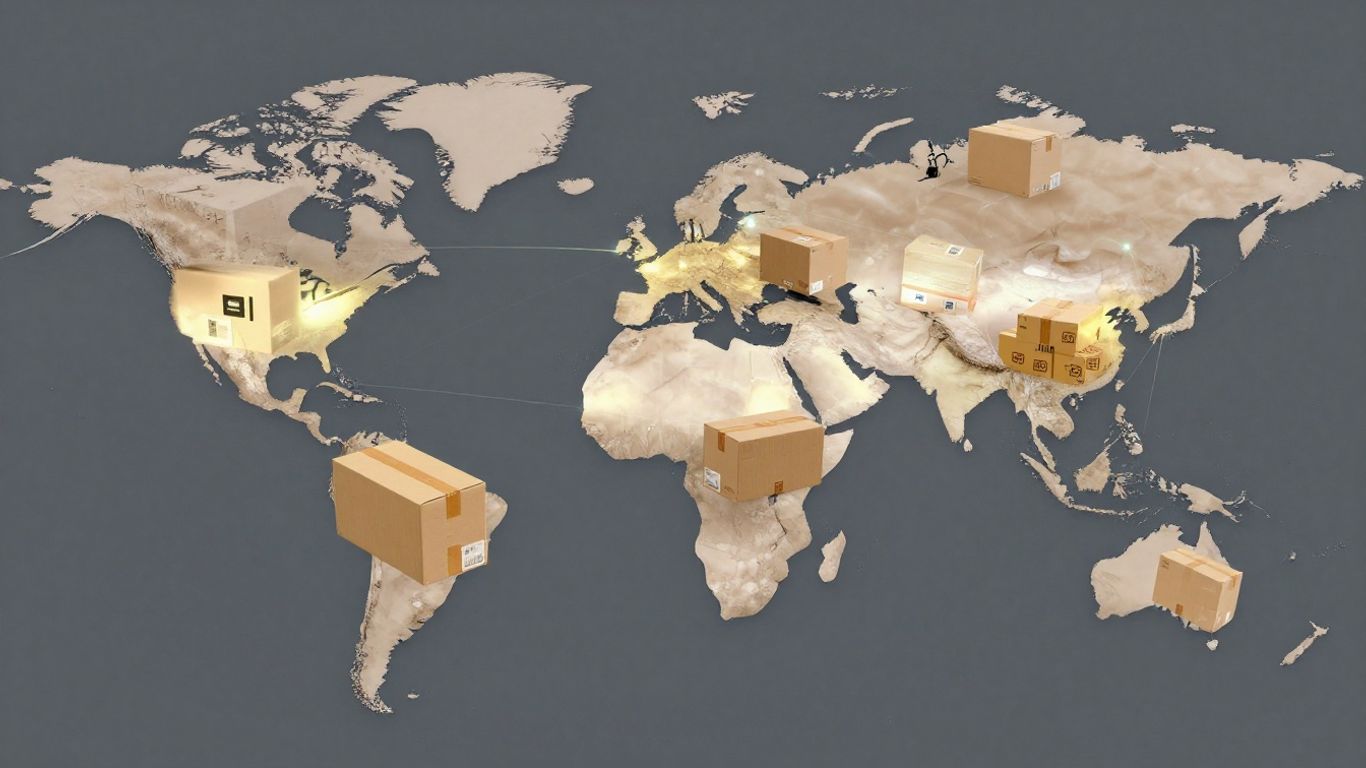
When you zoom out, the pieces connect.
bHIP provides the broader platform.
Products give customers something to evaluate and purchase.
Distributors help develop customer relationships and commercial reach.
Network marketing provides the relationship-based distribution model.
GDP supports ordering and operations.
The compensation plan determines how eligible commercial results may connect to compensation.
Training and leadership help distributors develop the skills needed to operate within that system.
These components work together.
But none of them individually is the entire business.
bHIP provides the ecosystem. GDP supports the operations. People build the commercial activity.
Want to See How bHIP’s GDP System Fits Into the Business?
Reading about GDP is useful, but seeing how it connects products, customers, operations, network marketing, and compensation can make the model much easier to understand.
That is why I invite people who are genuinely researching bHIP to attend one of our free bHIP seminars.
You can learn about the products, customer journey, GDP System, distributor role, network marketing model, and bHIP’s 8 forms of compensation.
More importantly, you can ask questions.
Ask what GDP does.
Ask what it doesn’t do.
Ask how customers order.
Ask about compensation.
Ask what applies in your market.
The seminar is free to attend, with no hidden cost for participating. Attending does not obligate you to join bHIP or build the business.
If you would like to attend, send me a message directly on Instagram saying:
“Michael, I’d like to understand the GDP System and attend the free bHIP seminar.”
If you’re not ready, follow me on Instagram and continue learning before making your decision.
Final Thoughts From Michael Sarfelt
So, how does bHIP’s global dropshipping model work?
bHIP’s GDP System — Global Dropshipping Product System helps connect customer orders with the infrastructure behind processing, fulfillment, logistics, and delivery.
It can reduce the need for individual distributors to recreate the backend of a physical-product business themselves.
But GDP does not eliminate inventory.
It does not create customers.
It does not guarantee sales.
It does not determine compensation.
And it does not guarantee income.
GDP is infrastructure.
People still create commercial activity.
After years of building with bHIP and reaching Blue Diamond, that is the distinction I believe people need to understand most clearly.
GDP CAN MOVE THE ORDER. PEOPLE STILL HAVE TO MOVE THE BUSINESS.
Frequently Asked Questions
What does GDP mean in bHIP?
GDP stands for Global Dropshipping Product System. It is bHIP’s own system within the company’s broader operating infrastructure and supports the process connecting customer orders with processing, fulfillment, logistics, and delivery.
How does bHIP’s Global Dropshipping Product System work?
Conceptually, the process is customer → GDP System → order → processing → fulfillment → logistics → delivery. Exact operational details may vary by product and market.
Does a bHIP distributor need to keep inventory?
Physical inventory exists somewhere in the supply chain, but the GDP model can reduce the need for an individual distributor to personally store and manage inventory for every customer transaction. Dropshipping changes where inventory is managed; it does not eliminate inventory.
Is bHIP GDP the same as traditional dropshipping?
Not exactly. Traditional dropshipping may require an entrepreneur to source suppliers, select products, build a storefront, and coordinate fulfillment relationships. bHIP distributors operate within an existing bHIP product and operating ecosystem.
Does GDP automatically create customers or sales?
No. GDP supports the operating process after commercial activity exists. It does not automatically create customers, demand, sales, or repeat orders.
Does the GDP System generate income?
GDP itself does not guarantee income. It supports operations. Eligible commercial results and the applicable bHIP compensation-plan qualifications determine whether compensation may be earned.
How does GDP connect with bHIP’s compensation plan?
GDP supports ordering and operations, while the compensation plan determines how eligible commercial results may connect to compensation. They are separate parts of the broader bHIP ecosystem.
Can I learn about GDP before joining bHIP?
Yes. You can attend a free bHIP seminar to understand the products, customers, GDP System, distributor role, network marketing model, and 8 forms of compensation. Attendance is free, with no hidden cost for participating, and does not obligate you to join or build the business. Send me a message on Instagram saying, “Michael, I’d like to understand the GDP System and attend the free bHIP seminar.”